
The Cost of Being an Observer
Bullet TrainCharacters who try to remain detached are repeatedly pulled into responsibility, while the novel questions whether observation can remain morally neutral.
increasing Bearing strength in each event
 decreasing
Bearing strength in each eventdecreasingKimura Walks Away
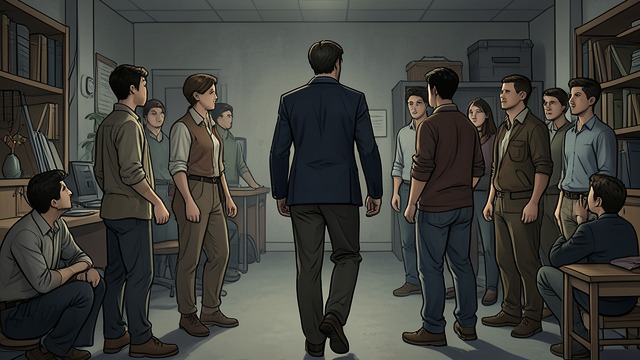
Kimura Walks Away
Refusal to help
Kimura hears students describe Takuya’s death and their fear of the Prince, then initially refuses to intervene. He tells himself the problem belongs to the boys and leaves with Wataru.
The decision matters because Kimura later becomes a central opponent of the Prince. His eventual courage does not erase the earlier moment when he chose not to help.
Suzuki Listens
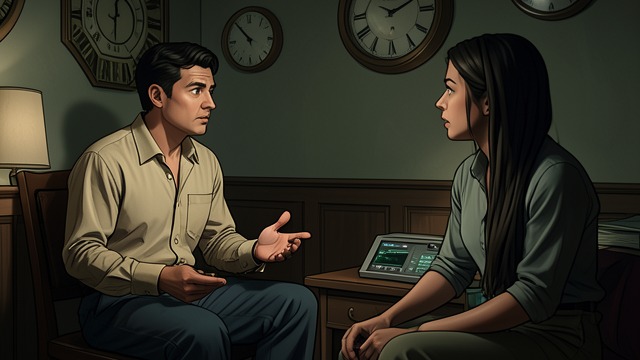
Suzuki Listens
Presence without intervention
Suzuki listens as Nanao describes his past and his sense of misfortune. He does not interrogate or direct him, allowing Nanao to disclose memories he usually avoids.
The conversation shows that observation can provide care. Suzuki’s attention does not resolve Nanao’s job, but it gives him a temporary space to speak honestly.
A Witness Chooses to Act
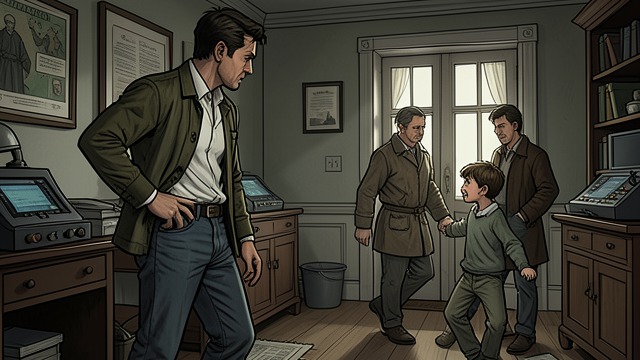
A Witness Chooses to Act
Responsibility interrupts distance
Suzuki sees that Nanao is involved in a dangerous conversation and remains nearby. Nanao later asks him to accompany the frightened Prince, believing the child should not be left alone.
Suzuki’s presence draws him into the final confrontation, where he offers a considered answer about violence. The observer is no longer merely watching; his willingness to engage changes the scene.
Before the rooftop fall, during his encounter with the schoolboys
During Nanao’s early conversation on the train
Near the end, after Nanao returns to the train cars
